
About Plaka Historical Area in Athens City

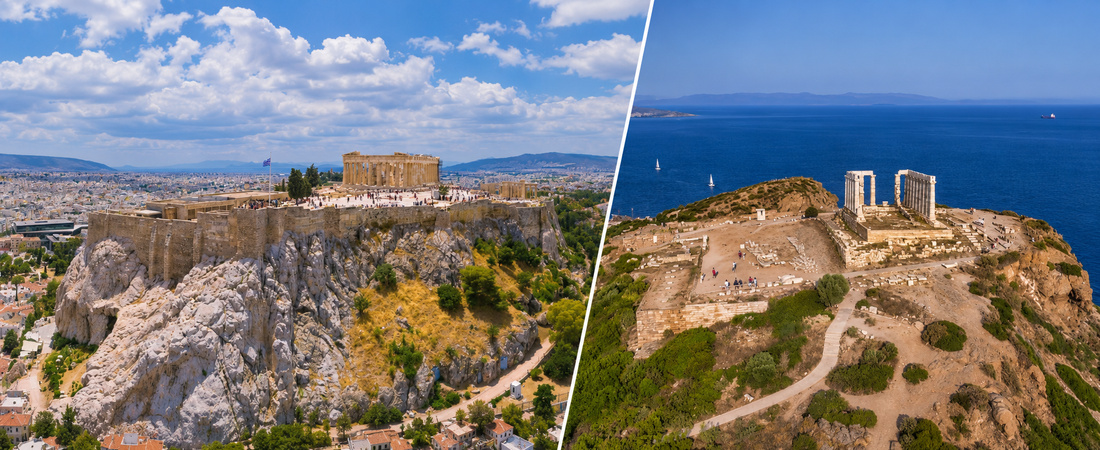
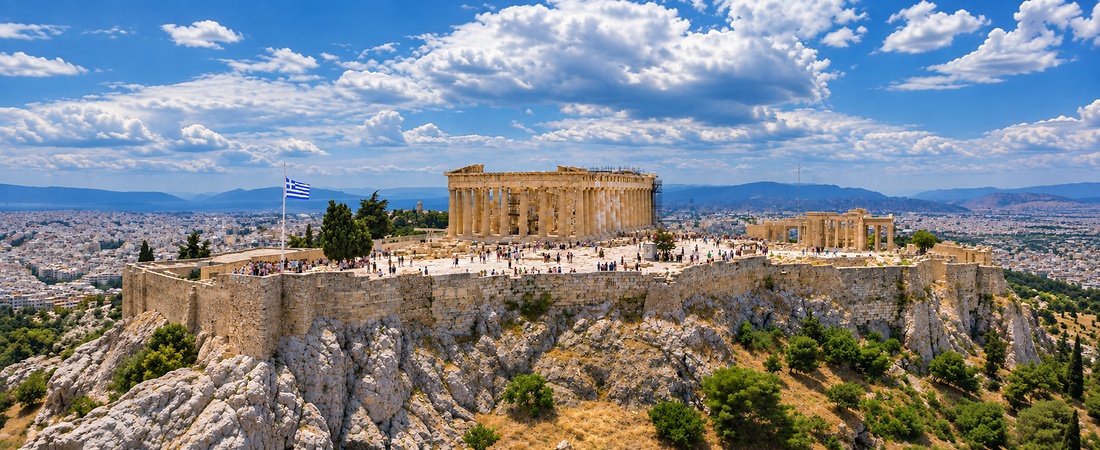
Plaka is one of the oldest and most historic neighborhoods in Athens, located directly beneath the Acropolis of Athens.
With its narrow streets, neoclassical houses, small squares, traditional cafés, and historic buildings, Plaka offers one of the most atmospheric walks in the Greek capital.
Beyond its postcard appearance, the neighborhood preserves layers of Athenian history stretching from antiquity through the Byzantine and Ottoman periods to modern Athens.
Plaka at a Glance
Plaka lies between the Acropolis, Monastiraki, Syntagma, and the historic center of Athens.
Its position makes it one of the easiest areas to explore on foot, with many major archaeological sites, museums, churches, shops, cafés, and restaurants within a short walking distance.
Traditional houses stand beside neoclassical buildings, ancient remains, and later monuments, creating a neighborhood where different periods of Athenian history can be seen within just a few streets.
Plaka is especially enjoyable in the early morning or later in the afternoon, when its smaller streets and residential corners feel quieter and more relaxed.
Walk Through the Streets of Plaka
The best way to experience Plaka is simply to explore it on foot.
Adrianou Street is one of the best-known streets in the area and is lined with shops, cafés, restaurants, and historic buildings.
Kidathineon Street is another popular route through the neighborhood, while the smaller side streets reveal quieter courtyards, traditional houses, small churches, and hidden corners away from the busiest areas.
Because Plaka lies on the slopes below the Acropolis, many streets gradually climb upward and offer interesting views toward the ancient monuments above.
Anafiotika
One of the most distinctive parts of Plaka is Anafiotika, a small neighborhood built directly beneath the northern slope of the Acropolis.
It was created during the 19th century by craftsmen from the Cycladic island of Anafi, who came to Athens during the reign of King Otto to work on the construction of the growing capital.
The area's whitewashed houses, narrow passages, small courtyards, and simple Cycladic architecture create the feeling of an island village in the heart of Athens.
Anafiotika remains one of the most unusual and photogenic parts of the historic center, but visitors should remember that it is also a residential neighborhood and explore it respectfully.
Ancient and Roman Landmarks
Plaka is surrounded by some of the most important archaeological sites in Athens.
The Roman Agora lies on the northern side of the neighborhood and was an important commercial and administrative center during the Roman period.
Within the archaeological site stands the famous Tower of the Winds, an ancient marble structure that functioned as a timekeeping and weather-related monument.
Nearby, visitors can also reach the Ancient Agora of Athens, the political, commercial, and social center of the ancient city.
Although the Ancient Agora lies just outside the core of Plaka, it is easily reached on foot and forms a natural continuation of a walk through the historic center.
The Choragic Monument of Lysicrates
One of the most recognizable ancient monuments within Plaka is the Choragic Monument of Lysicrates.
The monument was erected in 334 BC by Lysicrates to commemorate a victory in a dramatic competition connected with the festivals of ancient Athens.
Its elegant circular form and Corinthian columns make it one of the finest surviving examples of a choragic monument.
The small square around it is one of the most characteristic places in Plaka and provides a direct reminder of the neighborhood's connection with ancient Athenian cultural life.
Historic Houses and Architecture
Plaka contains many examples of traditional and neoclassical Athenian architecture.
One of the most important historic buildings is the Benizelos Mansion on Adrianou Street.
The house is considered the oldest surviving residence in Athens and provides a rare example of domestic architecture from the Ottoman period.
Walking through Plaka also reveals elegant 19th-century neoclassical houses, small courtyards, decorative balconies, and traditional façades that reflect the development of modern Athens after it became the capital of the Greek state.
Byzantine Churches of Plaka
Plaka is also home to several historic churches that reflect the Byzantine and post-Byzantine history of Athens.
Among them are Agia Ekaterini and Agia Sotira Kottaki, both located within the historic neighborhood.
These smaller religious monuments are easy to miss among the busier streets, but they add an important layer to the history of Plaka and show how the area continued to develop long after antiquity.
Museums in and Around Plaka
Plaka and the surrounding historic center contain several museums that help visitors understand the history, traditions, and everyday life of Athens and Greece.
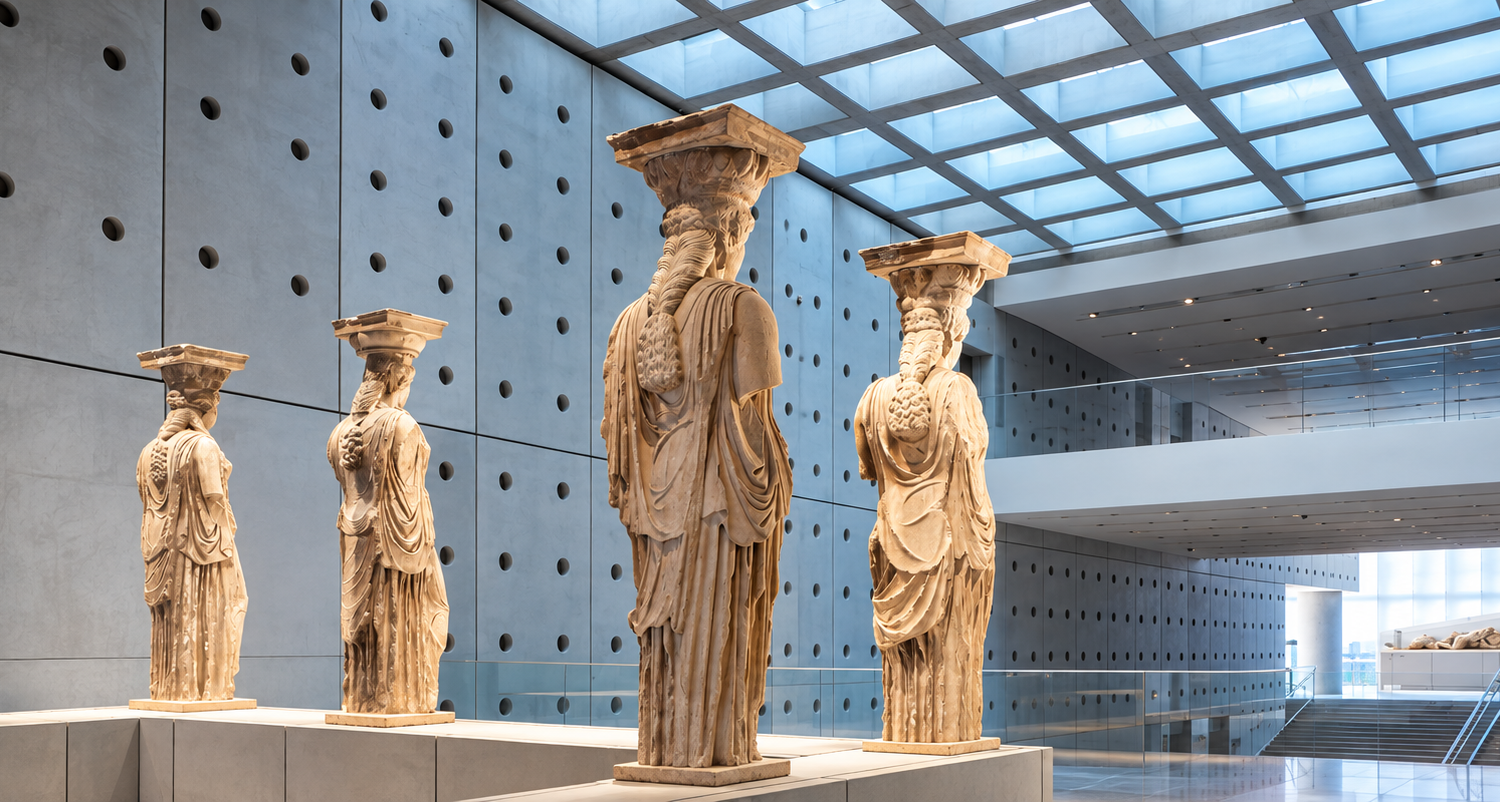
The Acropolis Museum is located a short walk from Plaka and is the most important museum for anyone visiting the Acropolis and its monuments.
The Museum of Greek Folk Musical Instruments, near the Roman Agora, presents a collection of traditional musical instruments from different regions of Greece.
The Athens University History Museum, located on Tholou Street, is housed in one of the oldest surviving buildings in the city and presents the early history of the University of Athens.
The Bath House of the Winds, part of the Museum of Modern Greek Culture, preserves an important Ottoman-period public bath and offers another perspective on the social history of the neighborhood.
Other museum collections in the wider area focus on modern Greek culture, religious history, and everyday life.
Shopping, Cafés and Traditional Taverns
Plaka is also one of the most popular areas in Athens for shopping and dining.
Visitors will find souvenir shops, small boutiques, jewelry stores, art shops, cafés, bakeries, and traditional taverns throughout the neighborhood.
The busiest streets can feel lively and commercial, while quieter side streets often offer a more traditional atmosphere.
Plaka is particularly enjoyable for a relaxed meal or coffee after visiting the Acropolis and nearby archaeological sites.
Nearby Areas
One of the advantages of Plaka is its central location.
From the neighborhood, visitors can easily walk to Monastiraki, with its busy square and flea market area, or toward Syntagma Square and the modern city center.
The Acropolis, Acropolis Museum, Roman Agora, Ancient Agora, and several other important landmarks are all within comfortable walking distance.
Plaka Today
Today, Plaka remains one of the most characteristic neighborhoods of Athens, combining ancient monuments, historic houses, traditional architecture, museums, churches, restaurants, and everyday city life.
Its location directly beneath the Acropolis makes it an ideal place to explore before or after visiting the major archaeological sites.
Whether you are walking through Anafiotika, discovering a hidden church, visiting a museum, enjoying a traditional meal, or simply wandering through the narrow streets, Plaka offers one of the best introductions to the historic character of Athens.


Explore the Historical Area of Athens Plaka with one of our tours: