
Archaeological Museum of Mycenae: History & Visitor Guide
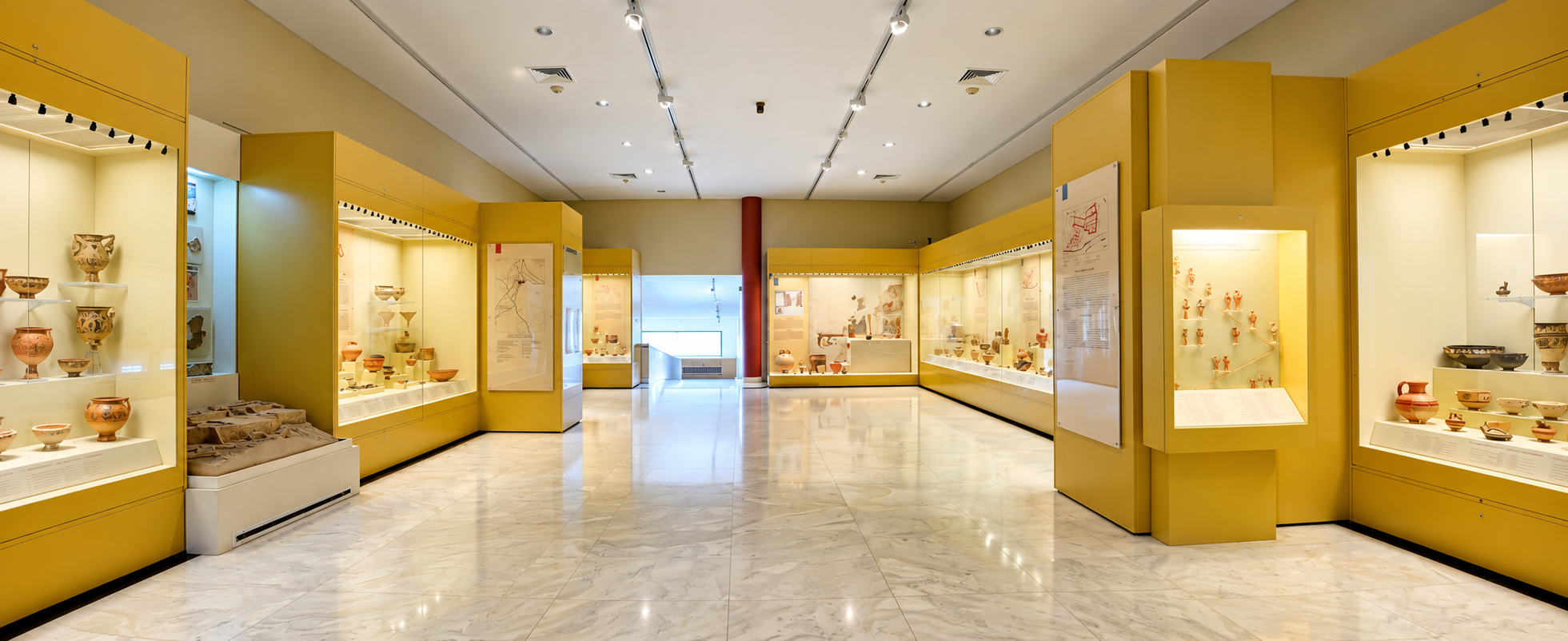
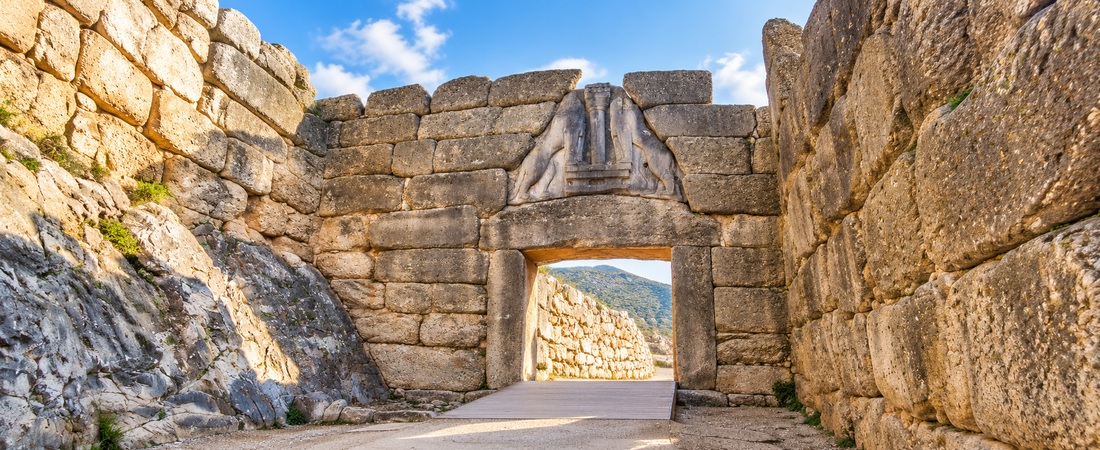
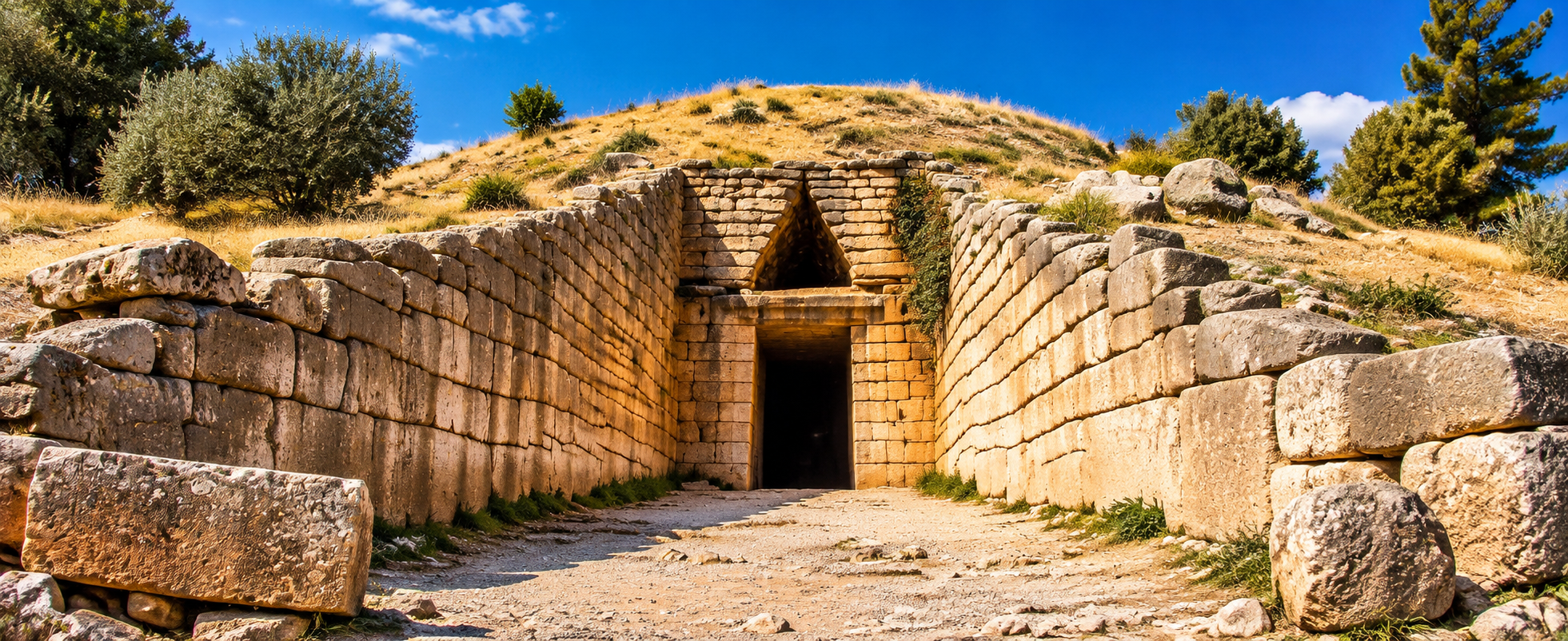
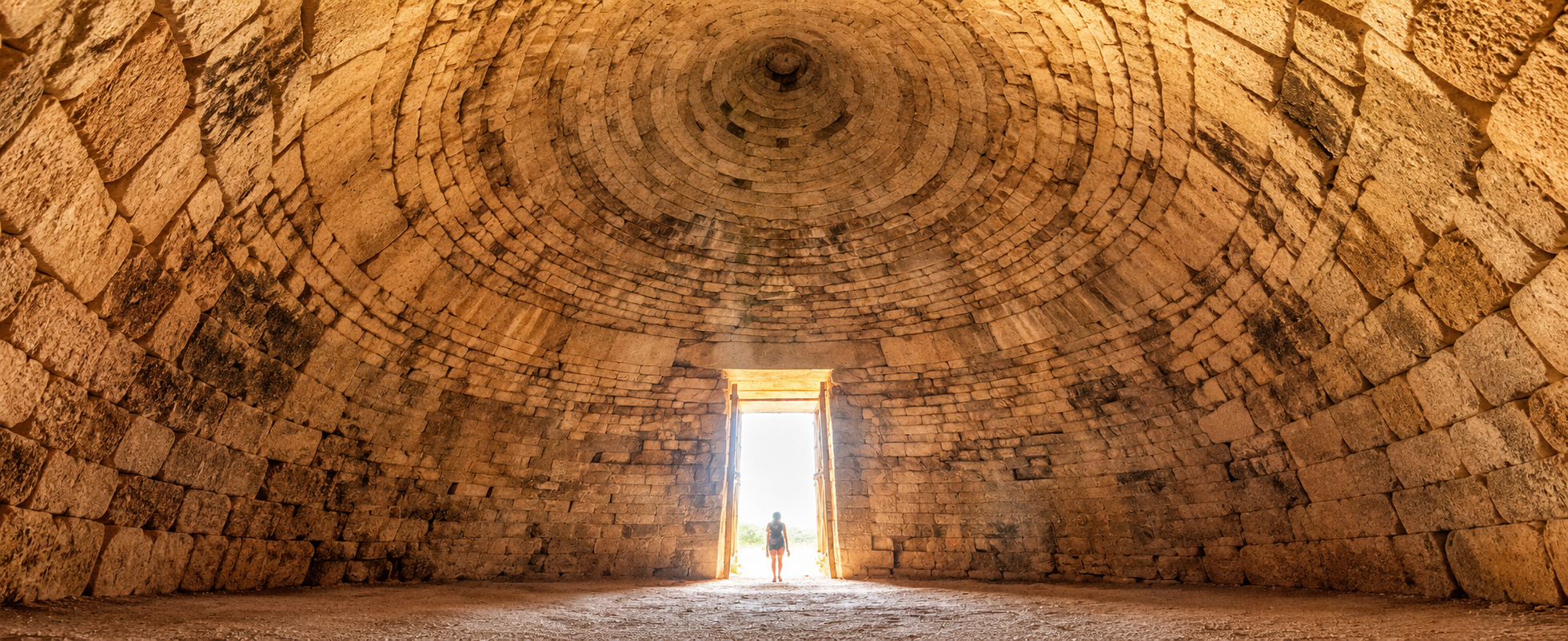
The Archaeological Museum of Mycenae is located within the archaeological site of Mycenae, close to the famous citadel, the Lion Gate and the monumental tholos tomb known as the Treasury of Atreus.
The museum helps visitors understand the people who lived at Mycenae, their everyday activities, burial customs, religion, administration, craftsmanship and international connections. Its collections complement a visit to the archaeological site and provide valuable context for one of the most important civilizations of Bronze Age Greece.
The Mycenaean civilization flourished during the Late Bronze Age and reached its height approximately between the 16th and 12th centuries BC. Mycenae became one of its most powerful palatial centers, and its importance was so great that the entire civilization is now known by the name Mycenaean.
The Archaeological Museum of Mycenae at a Glance
- Location: within the Archaeological Site of Mycenae in Argolis
- Main focus: Mycenaean civilization and the history of the site
- Exhibition: approximately 2,500 archaeological objects
- Organization: four thematic sections arranged across two levels
- Main themes: everyday life, burial customs, historical-period Mycenae and the achievements of Mycenaean civilization
- Important clarification: the original Mask of Agamemnon and many of the richest finds from Grave Circle A are housed in the National Archaeological Museum in Athens
The Museum and the Archaeological Site
The museum was designed as an integral part of the archaeological site rather than as a completely separate attraction. Its location allows visitors to examine archaeological objects and then connect them directly with the buildings, graves and fortifications from which many of the finds originated.
At the beginning of the exhibition, informational material and a model of the ancient citadel help visitors understand the layout of Mycenae before or after exploring the ruins.
The exhibition is organized largely according to where objects were discovered, while thematic displays explain important aspects of Mycenaean society and culture.
Everyday Life in Mycenae
The first major section of the museum focuses on the everyday life and activities of the inhabitants of Mycenae.
Objects discovered in houses, storerooms, workshops and other buildings illustrate how people lived and worked inside and around the citadel. The displays include pottery, vessels, tools and objects associated with food storage, craftsmanship and domestic activities.
These finds reveal a society that depended on highly organized agricultural production and skilled craftsmen working with materials such as clay, bronze, stone, ivory and precious materials.
Burial Customs and the Royal Grave Circles
Another major part of the museum is dedicated to Mycenaean burial practices and beliefs surrounding death.
The exhibition includes finds from Grave Circle B, chamber tombs and other cemeteries in the wider Mycenae area. These graves contained pottery, weapons, jewelry and other objects placed with the dead.
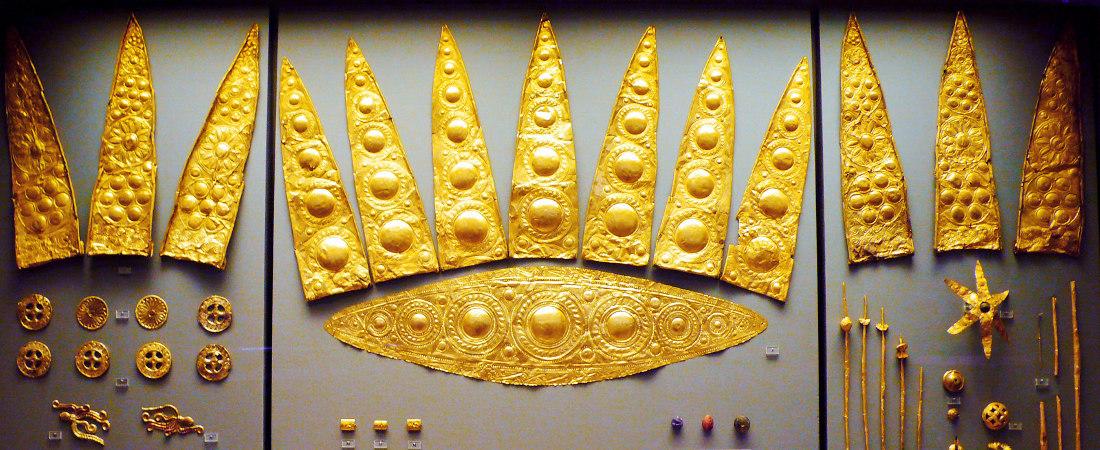
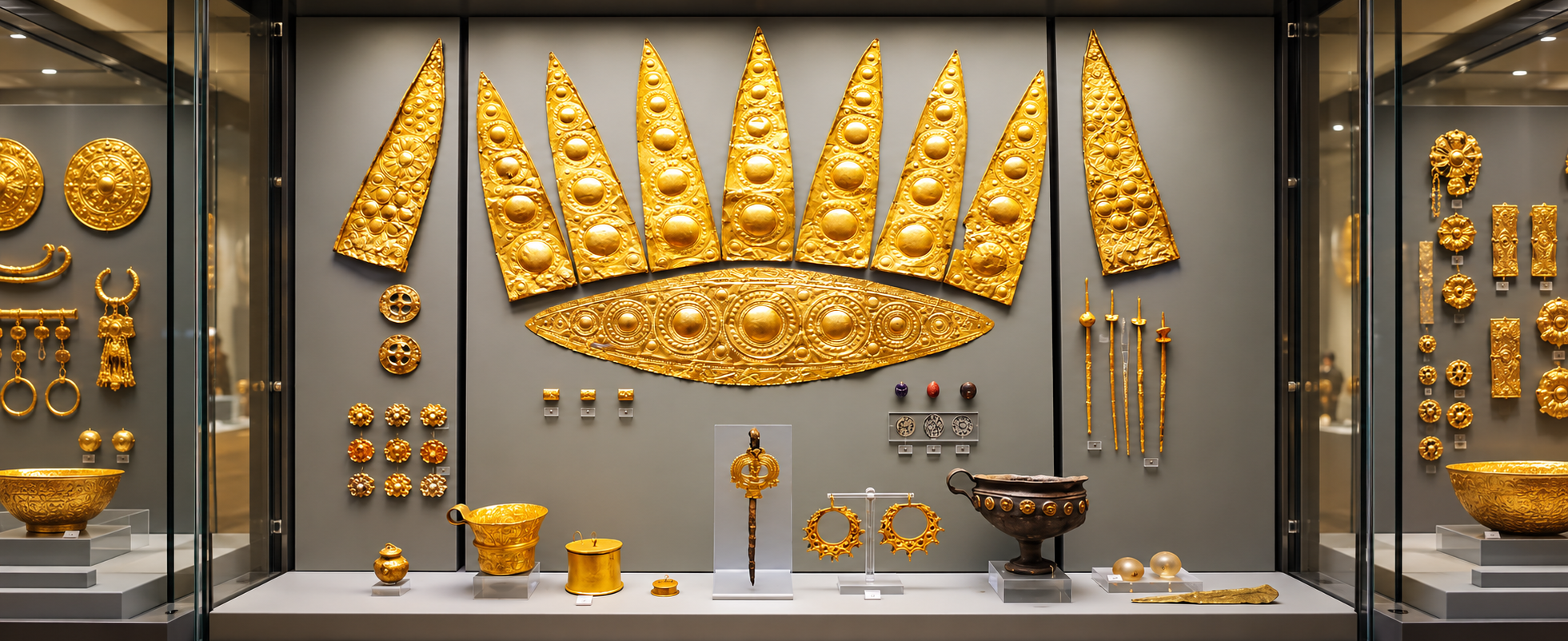
The museum also presents historical reproductions of important grave goods from Grave Circle A. Many of the spectacular original gold objects excavated there in the 19th century are preserved in the National Archaeological Museum in Athens.
The differences between graves and their contents provide archaeologists with important evidence about wealth, social status and the emergence of powerful ruling families at Mycenae.
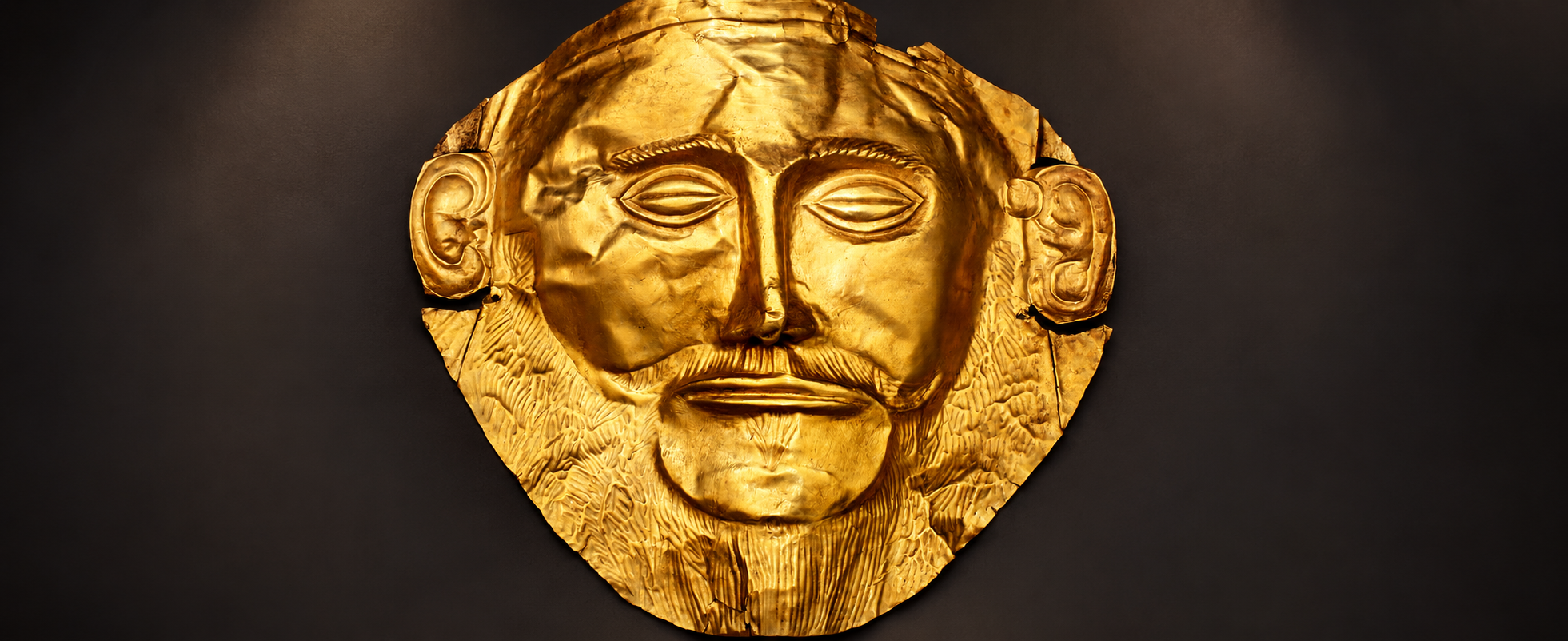
The Mask of Agamemnon
The most famous object associated with Mycenae is the so-called Mask of Agamemnon, discovered by Heinrich Schliemann in Grave Circle A in 1876.
The original gold mask is not displayed in the Archaeological Museum of Mycenae. It is preserved in the National Archaeological Museum in Athens together with many of the most important treasures discovered in the royal shaft graves.
Schliemann believed that the mask belonged to Agamemnon, the legendary king of Mycenae associated with the Trojan War. Modern archaeology has shown, however, that the grave and mask date to the 16th century BC, several centuries earlier than the period traditionally associated with the Trojan War.
The name “Mask of Agamemnon” has nevertheless remained one of the most famous names in Mycenaean archaeology.
Mycenaean Art and Wall Paintings
Art played an important role in Mycenaean palatial society. Archaeological finds from Mycenae include fragments of wall paintings, decorated pottery, figurines, jewelry and finely crafted objects made from a variety of materials.
Displays and reconstructions associated with the Religious Centre of Mycenae help visitors understand the colorful decoration that once covered parts of the buildings inside the citadel.
Female figures, religious scenes and other decorative themes demonstrate the artistic skill of Mycenaean craftsmen and provide valuable evidence about clothing, ritual and beliefs.
Linear B and Mycenaean Administration
One of the most important achievements of the Mycenaean world was its sophisticated administrative system.
Mycenaean palace administrations used Linear B, a writing system employed mainly to record economic and administrative information. Linear B is especially important because it represents the earliest known written form of the Greek language.
Fragments of Linear B tablets discovered at Mycenae and displays related to palace administration provide evidence of the control exercised over goods, workers, storage and production.
These records demonstrate that Mycenaean palaces were not simply royal residences but highly organized administrative and economic centers.
Religion and Terracotta Figurines
Religion was closely connected with everyday and palatial life in Mycenaean society.
Among the characteristic archaeological finds are terracotta figurines, cult objects and material discovered in religious areas of the citadel.
Some figurines represent human forms with highly stylized bodies and raised or folded arms. Their exact meaning is not always known, but they provide important evidence for understanding Mycenaean ritual practices and religious beliefs.
Weapons and Mycenaean Warfare
Weapons discovered at Mycenae include swords, spearheads, daggers and other military equipment.
Such objects demonstrate the importance of warfare and warrior status within Mycenaean elite society. Richly decorated weapons were sometimes placed in important burials and served not only as practical objects but also as symbols of wealth and social position.
At the same time, archaeological evidence shows that Mycenaean society was much more than a military culture. Agriculture, craftsmanship, trade, administration and religion were equally important elements of its development.
Trade and International Connections
Mycenae participated in extensive trade networks that connected mainland Greece with Crete, the Aegean islands, Anatolia, Cyprus, Egypt and the eastern Mediterranean.
Imported materials and luxury objects discovered at the site demonstrate the wide geographical connections maintained by the Mycenaean elites.
Materials such as ivory, amber, precious stones and metals reached Mycenae from distant regions, while Mycenaean pottery and other products circulated throughout the Mediterranean.
Mycenae After the Bronze Age
The history of Mycenae did not end with the collapse of the Mycenaean palatial system around the beginning of the 12th century BC.
The site continued to be used during later historical periods, although it never regained the political and economic power it had enjoyed during the Late Bronze Age.
A section of the museum presents evidence from these later periods, helping visitors follow the history of Mycenae beyond the age of the great palaces.
The Museum and the Excavations of Mycenae
Archaeological investigation at Mycenae has continued for generations. Heinrich Schliemann's famous excavations of Grave Circle A in 1876 attracted international attention, but archaeological research at the site continued long after his discoveries.
The modern museum was created to protect, study and display the enormous quantity of material uncovered during more than a century of archaeological work.
Its collections allow visitors to see Mycenae not only as the legendary kingdom of Agamemnon but as a real Bronze Age society reconstructed through archaeology.
What You Can See in the Archaeological Museum of Mycenae
- Mycenaean pottery and everyday vessels
- Finds from houses, workshops and storerooms
- Objects from Grave Circle B and chamber tombs
- Historical reproductions of famous Grave Circle A finds
- Weapons and bronze objects
- Jewelry and personal ornaments
- Terracotta figurines and religious objects
- Wall-painting fragments and material associated with the Religious Centre
- Objects connected with craftsmanship and trade
- Displays explaining Linear B writing and Mycenaean administration
- Finds illustrating the history of Mycenae after the Bronze Age
Visit the Archaeological Museum of Mycenae
A visit to the Archaeological Museum of Mycenae is an important complement to exploring the archaeological site itself.
The museum helps visitors understand what daily life was like behind the massive Cyclopean walls, how Mycenaean society was organized, how its elite buried their dead and how Mycenae became one of the most influential centers of Bronze Age Greece.
After visiting the museum, the Lion Gate, Grave Circle A, the palace, the Underground Cistern and the Treasury of Atreus can be understood within a much broader historical context.
Discover Mycenae in greater depth by joining one of our Guided Tours to Mycenae.
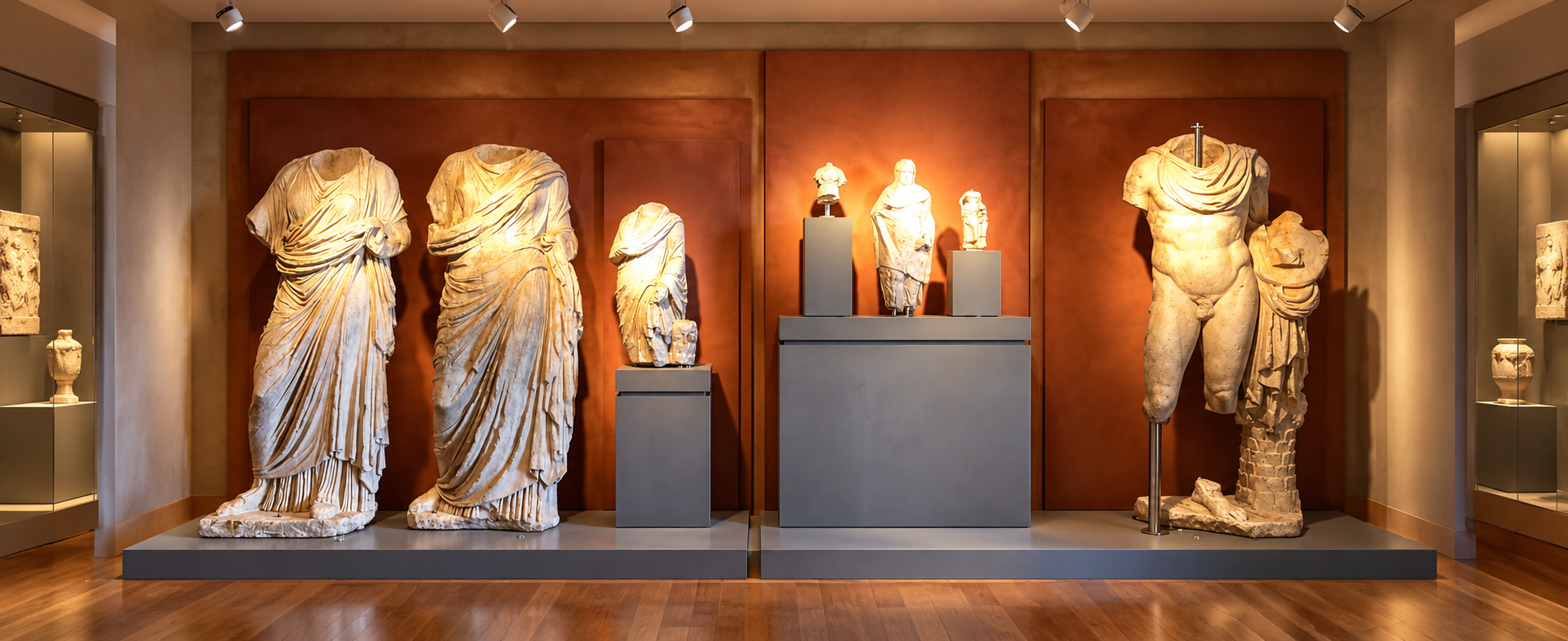


Admire The Archaeological Museum of Mycenae with one of our tours:
- 1 Day Tour To Mycenae and Nafplio
- 2 Day Tour To Mycenae, Nafplio City and Epidaurus
- 3 Day Tour To Epidaurus, Mycenae, Nafplio, Olympia and Delphi Archaeological Sites
- 4 Day Tour To Epidaurus, Mycenae, Nafplio, Olympia, Delphi and Meteora Monasteries
-
5 Day Tour To Epidaurus, Nafplio, Mycenae, Olympia, Delphi and Meteora Monasteries
Tours We Recommend

3 Day Tour To Epidaurus, Mycenae, Nauplio, Olympia and Delphi Archaeological Sites
From:
4 Day Classical Tour To Epidaurus, Mycenae, Nauplion, Olympia, Delphi and Meteora Monasteries
From:
5 Day Tour To Epidaurus, Nauplion, Mycenae, Olympia, Delphi and Meteora Monasteries
From: