
Acropolis of Athens: Greek Mythology, Athena & Poseidon
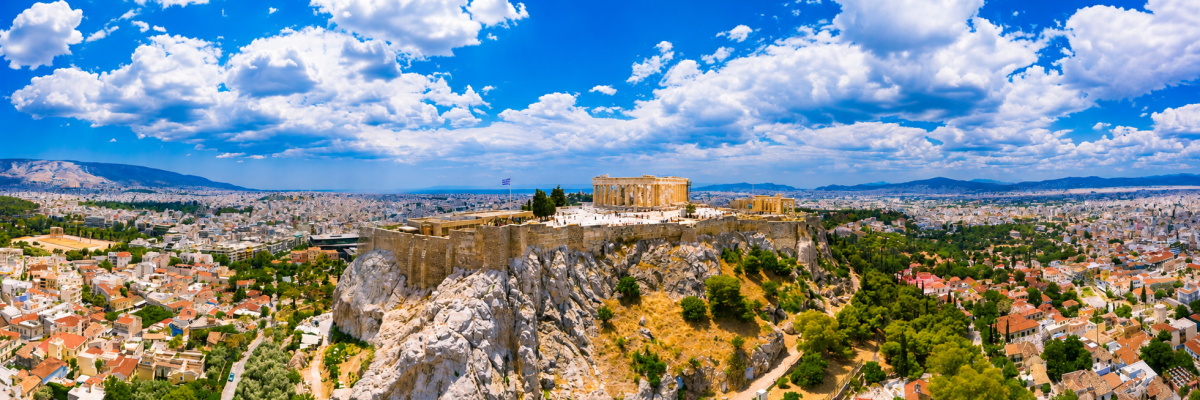
The Acropolis of Athens was not simply a fortified hill or a collection of ancient temples. For the people of Classical Athens, it was a sacred place where stories about the gods, the city’s origins and civic identity came together. Its best-known myths concern Athena and Poseidon, Athena’s olive tree and the religious traditions of the city’s great festivals.
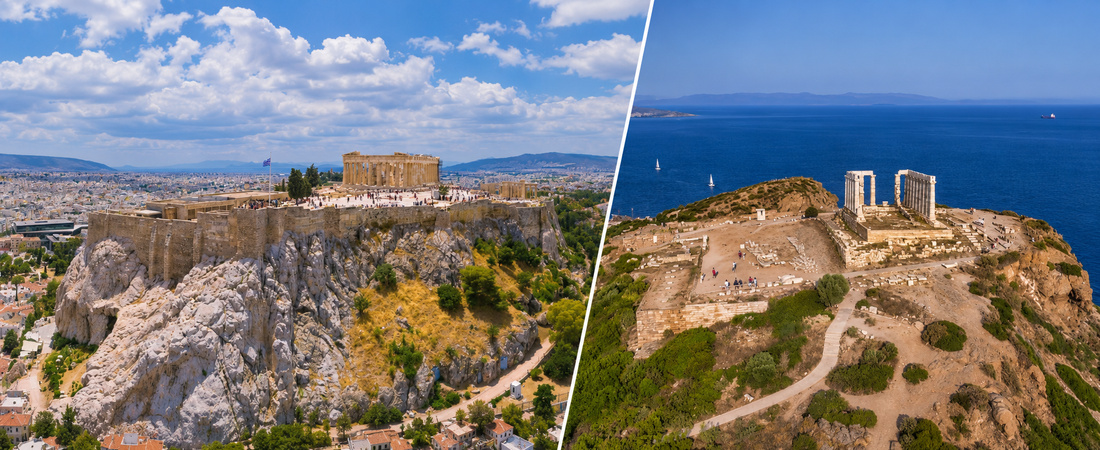
Rising above Athens, the Acropolis preserves temples and sacred places connected to those stories. This article explores their mythological meaning. For a broader history of the monuments and practical visiting information, read our Acropolis of Athens visitor guide.
The Acropolis: The Sacred Rock of Ancient Athens
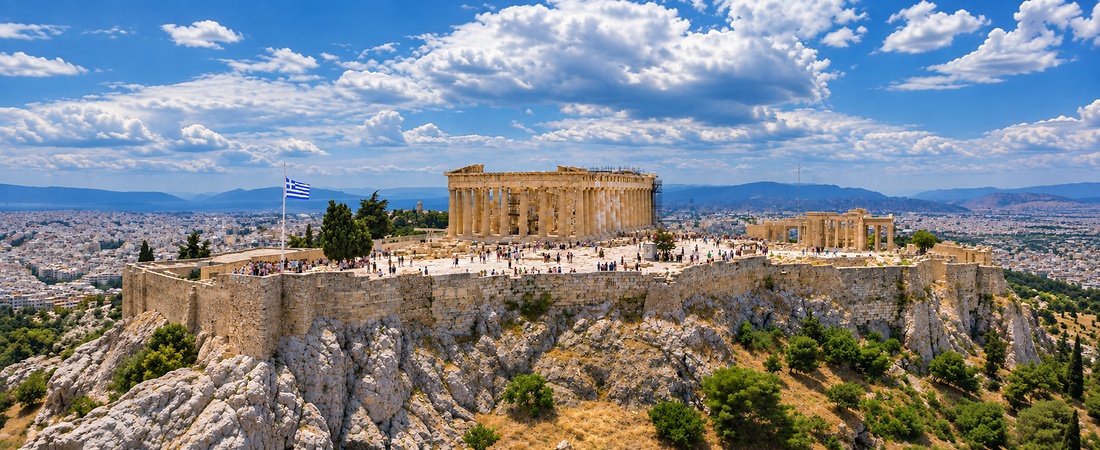
The word acropolis means “upper city” or “high city.” The rocky hill was occupied long before its famous Classical monuments were built. Over time, however, it became the most important sanctuary of Athena, the goddess whom Athenians revered as the protector of their city.
Myths were part of the living religious landscape. Important locations on the hill were associated with divine gifts and legendary events, while processions and offerings connected the people of Athens to their gods.
Athena and Poseidon: The Mythical Contest for Athens

According to a famous Greek myth, Athena and Poseidon competed for the honor of becoming Athens’ patron deity. They each offered a gift to the city.
In a familiar version, Poseidon struck the rock with his trident and produced salt water, while Athena caused an olive tree to grow. Athena’s gift offered lasting benefits through olives, oil and wood, and she was chosen as the city’s protector.
Ancient authors recorded variations of this story. The contest is a myth explaining the city’s relationship with its divine patrons, rather than a historically documented event.
Athena’s Sacred Olive Tree
The olive tree was an especially meaningful gift. Olive oil was essential in ancient Attica for food, lighting, athletics and religious rituals. The Athenians associated Athena’s sacred tree with the area near the Erechtheion.
An olive tree can still be seen there today. It evokes the ancient story, though it is not a surviving tree from the legendary contest.
The Erechtheion and Poseidon’s Sacred Signs
The Erechtheion is one of the most important monuments for understanding Acropolis mythology. Built in the late fifth century BC, it accommodated multiple sacred traditions and was associated with Athena Polias and Poseidon-Erechtheus.
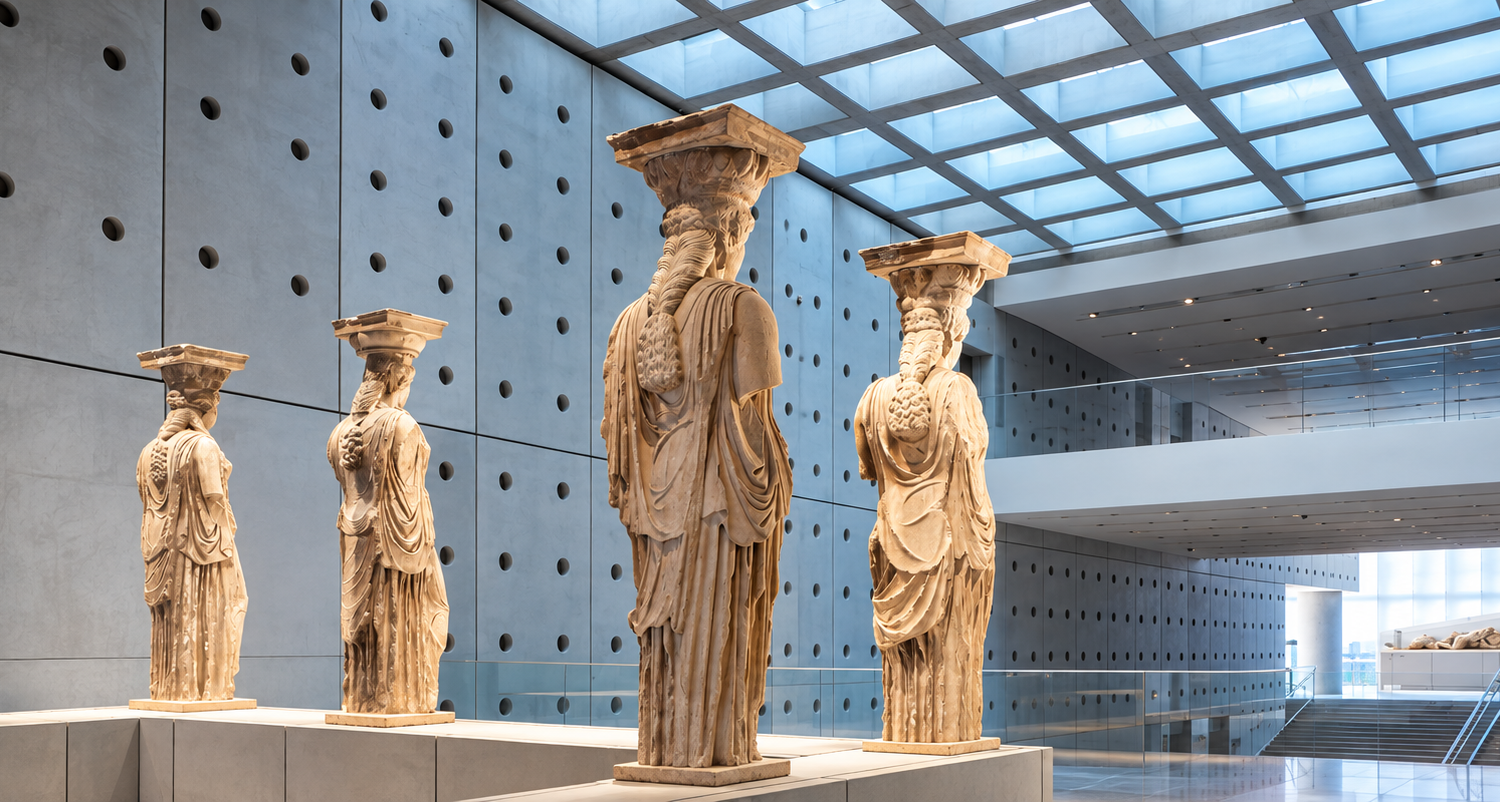
Ancient accounts connected its area with a mark of Poseidon’s trident and Athena’s olive tree. Such traditions help explain the building’s unusual design. The temple is also famous for its Porch of the Caryatids, where female figures serve as architectural supports.
The figures now at the building are replicas, preserving the originals from further exposure; five original Caryatids are in the Acropolis Museum, while another is in the British Museum.
Athena Polias, Athena Parthenos and the Parthenon
As Athena Polias, the goddess protected the city and was the focus of longstanding public worship. The Parthenon celebrated Athena through architecture and an enormous gold-and-ivory statue of Athena Parthenos made by the sculptor Pheidias.
The statue, now lost, depicted Athena in armor holding a figure of Nike, the goddess of victory. It expressed devotion to Athena as well as the artistic ambitions of Classical Athens.
Learn more in our Parthenon history, architecture and sculpture guide.
Myths Carved into the Parthenon
The Parthenon’s sculptures made mythology visible. Its west pediment represented the contest between Athena and Poseidon; the east pediment depicted the birth of Athena. Sculpted metopes featured mythical struggles involving gods, Giants, Centaurs and Amazons.
The temple was constructed during the fifth-century-BC rebuilding program initiated under Pericles. The monumental setting gave religious and civic significance to the stories represented in sculpture.
The Panathenaic Festival: Honoring Athena
The Panathenaic Festival was one of Athens’ most important celebrations. It included a grand procession to the Acropolis, athletic and musical events, and offerings to Athena. A central ritual involved presenting a woven garment, called a peplos, to the goddess.
The Parthenon’s continuous frieze is commonly interpreted as depicting a Panathenaic procession, although details of its interpretation are still debated by scholars. The festival linked the sacred hill with everyday civic life.
The Acropolis Through the Centuries
In later centuries, buildings on the Acropolis took on new roles. The Parthenon became a Christian church and eventually a mosque under Ottoman rule. Warfare and the explosion of 1687 caused extensive damage. Since the modern era, scholars and conservators have studied and restored the surviving monuments.
In 1987 the Acropolis of Athens was inscribed on the UNESCO World Heritage List, recognizing its outstanding importance to world culture.
Exploring Acropolis Mythology Today
When visiting the Acropolis, consider the stories attached to each monument: Athena’s olive tree and Poseidon’s signs near the Erechtheion, the myths displayed on the Parthenon, and the sacred route followed by Panathenaic worshippers. Nearby, the Acropolis Museum displays surviving sculptures that help explain these traditions.
For practical information about visiting the site, see our complete Acropolis visitor guide. If you’d like to discover these landmarks with a guide, explore our own tours below.
Choose Your Hop in Sightseeing Acropolis Tour
Prefer a morning introduction to Athens or a longer experience that includes the Temple of Poseidon? Compare these two guided sightseeing options.
OPTION 1 · MORNING TOUR
Athens City, Acropolis & Museum
Explore Athens’ famous landmarks and discover the Acropolis and Acropolis Museum on a guided morning sightseeing tour.
✓ Morning sightseeing
✓ Acropolis and museum
✓ Shorter experience
OPTION 2 · FULL DAY
Acropolis, Museum & Cape Sounion
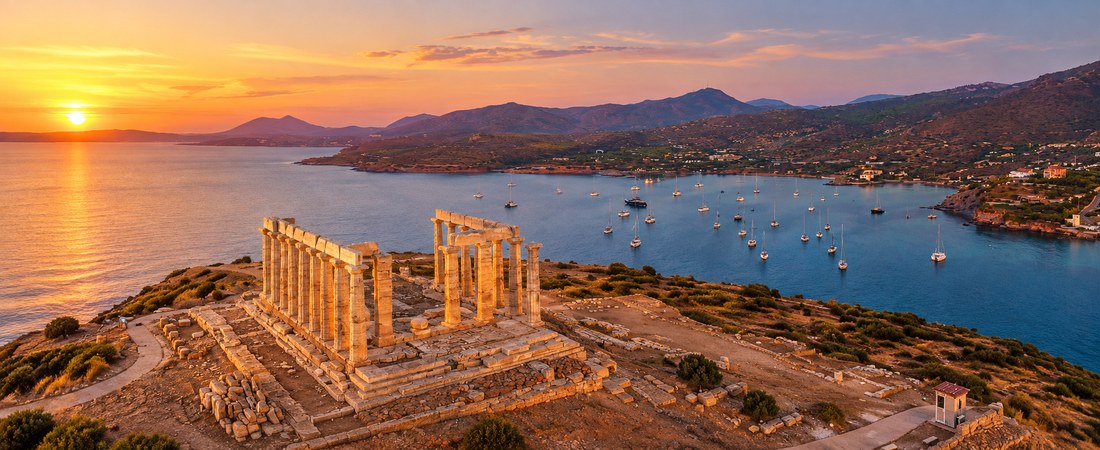
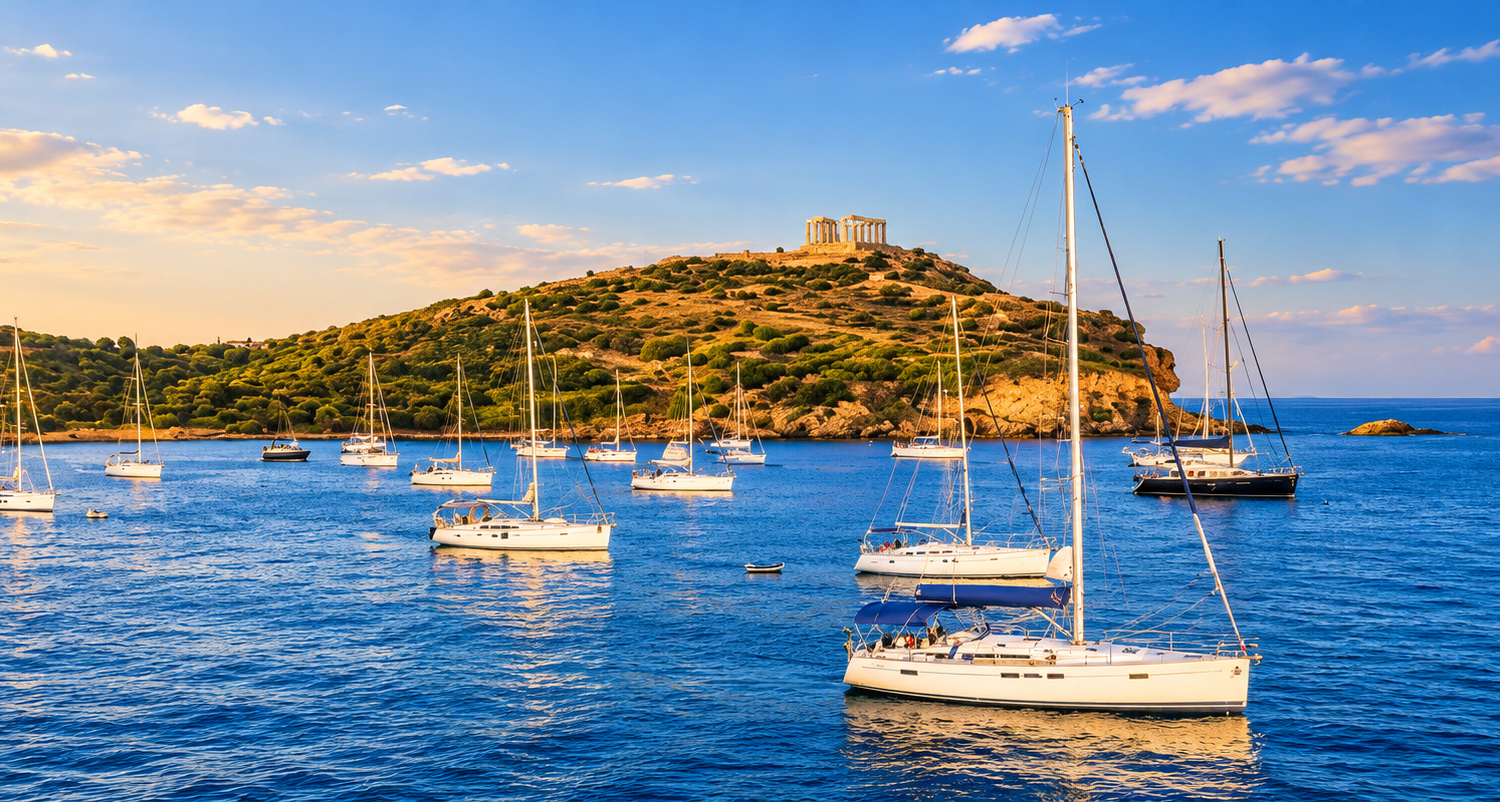
Explore ancient Athens before traveling along the coast to the Temple of Poseidon overlooking the Aegean Sea.
✓ Approximately 10 hours
✓ Guided visits
✓ Lunch and entrance fees included


Tours We Recommend